

Bradford Council’s revenue budget savings proposals for 2026/27: a simpler guide
The executive wants to save £60.6 million in the next financial year. Here’s how it plans on doing that

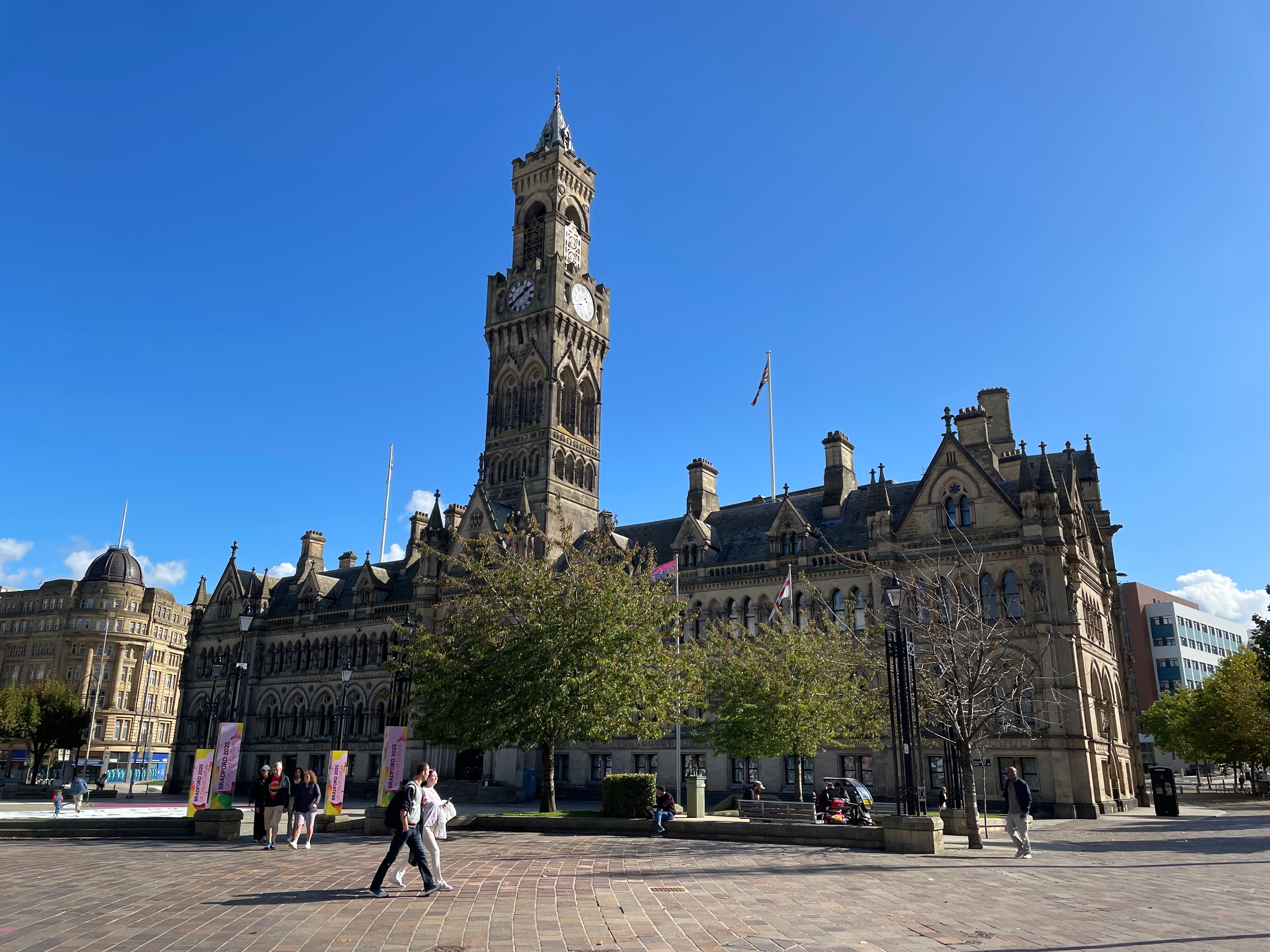
In many ways, Bradford Council’s revenue budget savings proposals for 2026/27, which are now out for consultation (scroll to the bottom for a link as well as the deadline date), are more significant than usual. And it’s all to do with the mechanics of democratic politics.
When 2024 wraps up in less than a month, we will find ourselves heading into a local election year, the second to take place since Labour’s landslide general election win in 2024 and the first set since Reform UK shook up many councils all across England in 2025.
In 2026, it’s West Yorkshire’s turn to be subjected to the complex environment that is shaping how voters react at the ballot box. Think the increasing normalisation of racism, the enduring cost of living crisis, a fundamentally broken and stuttering economy, massive AI disruption and slop, a floundering government that has yet to live up its promise of change and an ascendant right wing populist movement that is cutting through to a disillusioned (and sometimes gullible) public.
And that means, closer to home, within our district, the leadership at Bradford Council is on the relative cusp of facing one of its biggest tests in a long time, with an all-out local election next year fraught with so much uncertainty. Everything it now does in the run up to election day (Thursday 7 May 2026) will have a more consequential quality to it.
The backdrop
The background to this year’s revenue budget savings proposals, as Bradford Council is always keen to remind residents when it comes to its finances – challenges “which are among the most significant in local government nationally” – can be attributed to post 2010 cuts in funding, increasing demand for its services and inflation.
That perspective, though accurate, doesn’t necessarily give a full picture, as the MP for Keighley and Ilkley, Robbie Moore, would argue. To quote the shadow Conservative farming minister, you can add to that mix “financial mismanagement, reckless spending, and scandal after scandal”.
The total that Bradford Council is looking to save for the 2026/27 financial year is £60.6 million, £10 million more than the £50 million in annual savings set out in the medium-term financial strategy (MTFS) that was approved earlier this year (that’s every year until 2029/30). This is to give it some financial flexibility, breathing room if and when it needs it.
Council tax rises in perspective
It’s important to note that the figure of £60.6 million is based on council tax going up by 4.99% next year, which marks a return to an “average” increase in the tax following last year’s 9.99% increase, which was the highest in the country (Bradford Council had even pushed for an eye-watering increase of 14.99% but was snubbed).
There are, to be clear, two parts to that 4.99% increase in council tax. The first, amounting to a 2.99% increase, is a domestic property tax. You can also think of it as one of the ways a council generates the cash it needs to pay for services like highway maintenance, rubbish collection and admin.
The second part, amounting to a 2% increase, is the adult social care (ASC) precept (and earmarked specifically for it). The then Conservative government introduced this in 2016/17. It stated at the time that “flexibility is being offered in recognition of demographic changes which are leading to growing demand for adult social care, and increased pressure on council budgets”.
With local authorities experiencing significant central government funding cuts it was somewhat inevitable that councils would need to seek out alternative ways of generating revenue with the few options available to them. Years on from austerity – the Institute for Fiscal Studies noted that funding was cut in half over the course of David Cameron’s premiership – councils are still playing catchup.
The promise of better funding
Change is on the way. The ministry of housing, communities and local government announced earlier this year that it was overhauling the “outdated and complex council system” to deliver fairer, more streamlined and multi-year funding settlements.
“A decade of disproportionate cuts, outdated formulas and short-term settlements have left our members with shrinking resources, struggling to meet rising demand,” Stephen Houghton, chair of the special interest group of municipal authorities (SIGOMA), commented back in June. “It is therefore very welcome that there will now be a focus on delivering a funding system that supports the most deprived areas.”
Bradford Council’s revenue budget saving proposals are split across six areas: new savings proposals (which the public is being consulted on), budget realignment, corporate savings, Bradford Children and Families Trust (BCFT) savings, previous savings proposals (agreed in March 2025) and in-year savings proposals.
1. Savings to be consulted on totalling £9.8 million
The savings being proposed extend across key areas, including corporate portfolio (£4 million in savings from an increase in fees and charges), children and families (£1.8 million in savings across service delivery and home to school transport) and healthy people and places (£4 million in savings across adult social care service delivery and reablement).
2. Budget realignment totalling £3.2 million
The savings here, across two key areas – regeneration, planning and transport, and healthy people and places – are being achieved primarily through reducing operational costs and generating new income (£1.775 million in savings across regeneration, planning and transport and £1.5 million in savings across healthy people and places). These are not up for public consultation.
3. Corporate savings totalling £15.8 million
The savings here include improvements in cashflow (£2.3 million), “historic pressures clawback” from “excess budget provision for children’s social care transport and waste contingency” (£1.3 million), turnover via an anticipated underspend (£5 million) and a reduction in employee pension contributions.
4. BCFT savings totalling £20 million
The savings earmarked across all aspects of BCFT, which was set up in 2023 because of Bradford Council’s ongoing inability to “deliver consistently safe and effective children’s services”, are huge. They include a reduction in the number of children in care (£6.4 million alone), a reduction in staffing numbers (£5.9 million) and via the introduction of a turnover factor of 3.25% – i.e.adjusting budgets for staff to reflect period when roles are vacant (£2.25 million).
5. Savings already agreed totalling £6.8 million
The savings agreed back in March 2025 are wide-ranging. From reducing energy emitted by street lights (£88,000) and reviewing care packages for older people (£2.5 million) to amending the council’s post-16 transport policy (£300,000) and tackling dangerous driving (£1.032 million), it’s expected that around £6.8 million will be saved over the course of 2026/27.
6. Savings agreed in-year totalling £5 million
The savings here are based entirely on removing the discretionary buffer for ASC, which Bradford Council first introduced in 2015 to reduce the amount of money people had to pay towards their own care. It stated back in May 2025 that while the local authority had been “very fortunate in being able to” provide the discretionary, given the parlous state of its finances, removing it along with other measures will help it “move to a more financially sustainable future”.
You can have your say on Bradford Council revenue budget savings proposals for 2026/27 here. The deadline is Tuesday 16 December 2025.