

Fiona Goddard: My fight for a proper national grooming gangs inquiry
In her own words, the CSE survivor turned campaigner on the historic and ongoing failures that have frustrated her fight to get answers ...

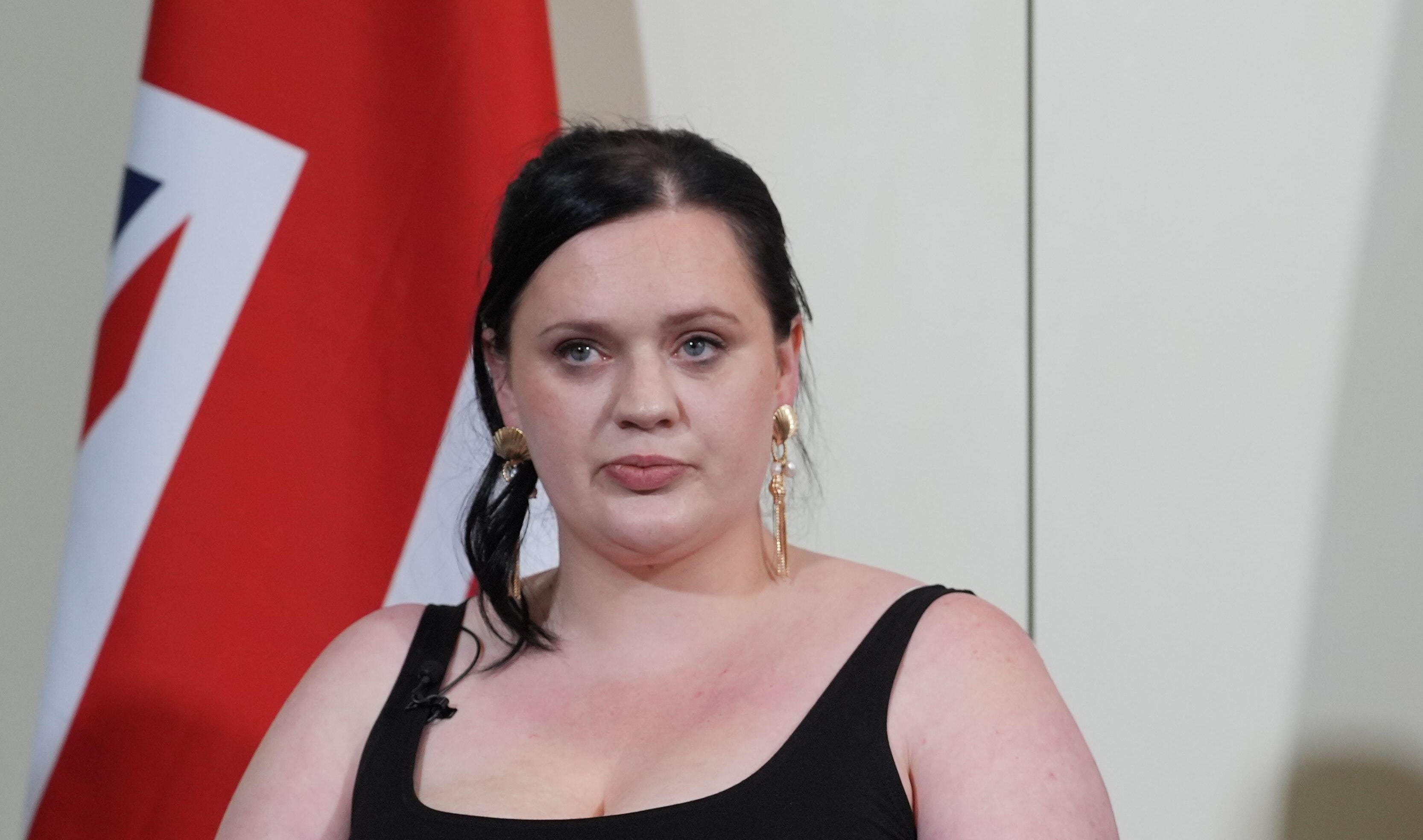
As a survivor of grooming gangs and now an advocate working to expose what went wrong, I’m constantly asked: why do we need a specific inquiry into grooming gangs? Here’s my response.
I was the first to resign from the government’s grooming gang inquiry survivors’ liaison panel in October. Since then, several other members have resigned and both of the shortlisted chairs have also withdrawn. Some survivors and campaigners are now questioning whether the process can be trusted at all.
But we cannot let this inquiry fail. And I want to explain why getting it right matters so much.
If you look at overall child sexual abuse statistics, “grooming gang” crimes, officially known as “group-based child sexual exploitation”, appear to form a small part. On that basis, people question why a separate inquiry into it is necessary. The problem is that those statistics are wrong and that the true scale of these crimes hasn’t been accurately recorded because of massive institutional failures.
From the care system and the police to every level of government, years of inaction and negligence has meant that many violent sexual offenders haven’t been brought to justice. And they got bolder and bolder because nothing happened to them – they faced no consequences.
Part of the reason we didn’t have proper data is that services – and when I say services, I mean everyone: the police, social services, schools, sexual health providers, etc – refused to collect information about who was committing these crimes.
In contrast, with other offences, we have years and years of data that universities and charities, for instance, have been able to use to spot patterns of behaviour and work out how best to prevent certain crimes from happening. For decades, services avoided doing this with grooming gangs. It meant they could point to flawed data and pretend the problem wasn’t as bad as it actually was.
There’s also a basic misunderstanding of how these crimes actually take place. These aren’t just lone men or random groups of opportunists. They’re organised criminal networks that span the whole country, operating in the same circles as drug dealers, traffickers and violent gangs.
The victims don’t just experience sexual abuse. They’re subjected to all types of crimes, which is how grooming gangs are able to get complete control over children and young people. And these networks are what enable them to traffic victims up and down the country so easily, as they did with me.
We need to look properly at all of this if we’re ever going to understand not only what happened, but what is still happening. That’s the only way we’re going to properly protect children in the future against grooming gangs.
But the most shocking part is this: the services that were supposed to protect the most vulnerable children in society didn’t just fail. At worst, they made the abuse possible.
I recently read a passage from my court transcripts, which I got help accessing from Open Justice UK. A staff member from my children’s home described how they had to wear gloves to handle my clothes because of the blood and evidence of sex on them.
I’d told them about being made to sleep with multiple men at what they called the “party house”, or when they took me across England. The staff wore gloves to protect themselves, but never once kept my clothes as evidence. In the words of one of them, “I seemed happy enough with it at the time.”
How could she say I seemed happy? My records show multiple instances of self-harm and suicide attempts. Physical injuries that needed hospital treatment. Emotional outbursts and times when I completely shut down and wouldn’t speak about what was happening. Recorded disclosures of rape.
These are obvious signs of trauma – and they were systematically ignored.
Staff members who did try to raise concerns about what was happening to me have since spoken out. They were told to shut up or they’d be in trouble. This went on from when my abuse started, at around age 13, right through to when I turned 18.
Despite “an agreement from all services involved” that I was “actively being sexually exploited” – and despite being in the highest risk category – from the age of 15 I was placed in a number of different hotels.
The services knew that men were using these hotels to abuse children. Some were even owned by the family members of known abusers. But social services paid for children like me to stay there. They were making it easier for these men to access us. They were paying them with taxpayers’ money.
Then I was moved to independent living when I was only 16. Staff came round for an hour, once or twice a week. That’s when my abuse got even worse. I was treated like I was less than an animal. I didn’t even have one safe place I could go to escape it.
I remember standing in my bedroom, looking out of the window at all the “normal” people below, going about their lives happy. I knew I’d never be like them. I couldn’t see any way out of the hell I was living in. I thought the only way out was to kill myself. I tried three times that week.
It wasn’t just the services. The wider community failed, too. Fully grown adults screamed at me that I was a “slag” or a “whore”. They kept their children away from me. They whispered about me. People would see me at 14 in a car with a man who was 27 years old or older. They never questioned him. They always questioned me.
This is what people need to understand about how services failed. They didn’t just fail to keep girls like me safe. What they did – or didn’t do – actively helped the abuse happen. They put us in dangerous situations again and again. And they made us easier targets.
The way they treated us backed up what our abusers were telling us, which kept us compliant and under control. Their attitudes in public normalised what was happening and isolated us even more. The only people we had were the men who were abusing us.
What this has done is create a complete failure to recognise child sexual abuse for what it is. The services are full of people with classist, misogynistic attitudes with a fear of being politically incorrect.
Instead of safeguarding children, they blame victims. The damage from this is enormous. Future victims aren’t being protected, with many survivors today left to deal with their trauma without proper support, if any at all.
This is why we need an inquiry into grooming gangs that works. We have had decades of completely inappropriate behaviour that’s now been normalised. The safeguarding systems that were meant to protect society’s most vulnerable children have completely broken down.
The inquiry process is already in trouble, but we cannot let it fail. Too much is at stake.
 | A guest post by
|